
Home › Silica Dimethyl Silylate powder 75g
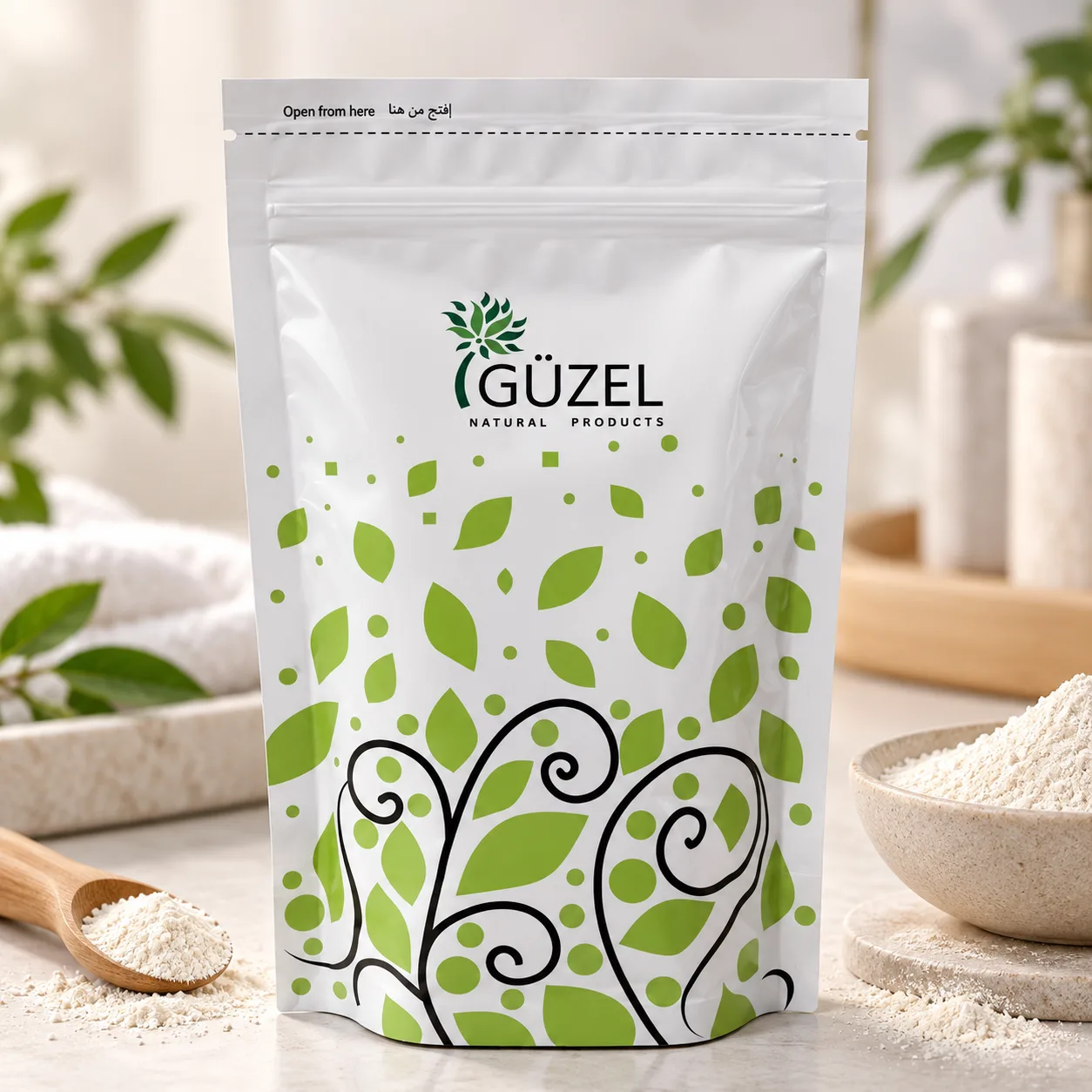
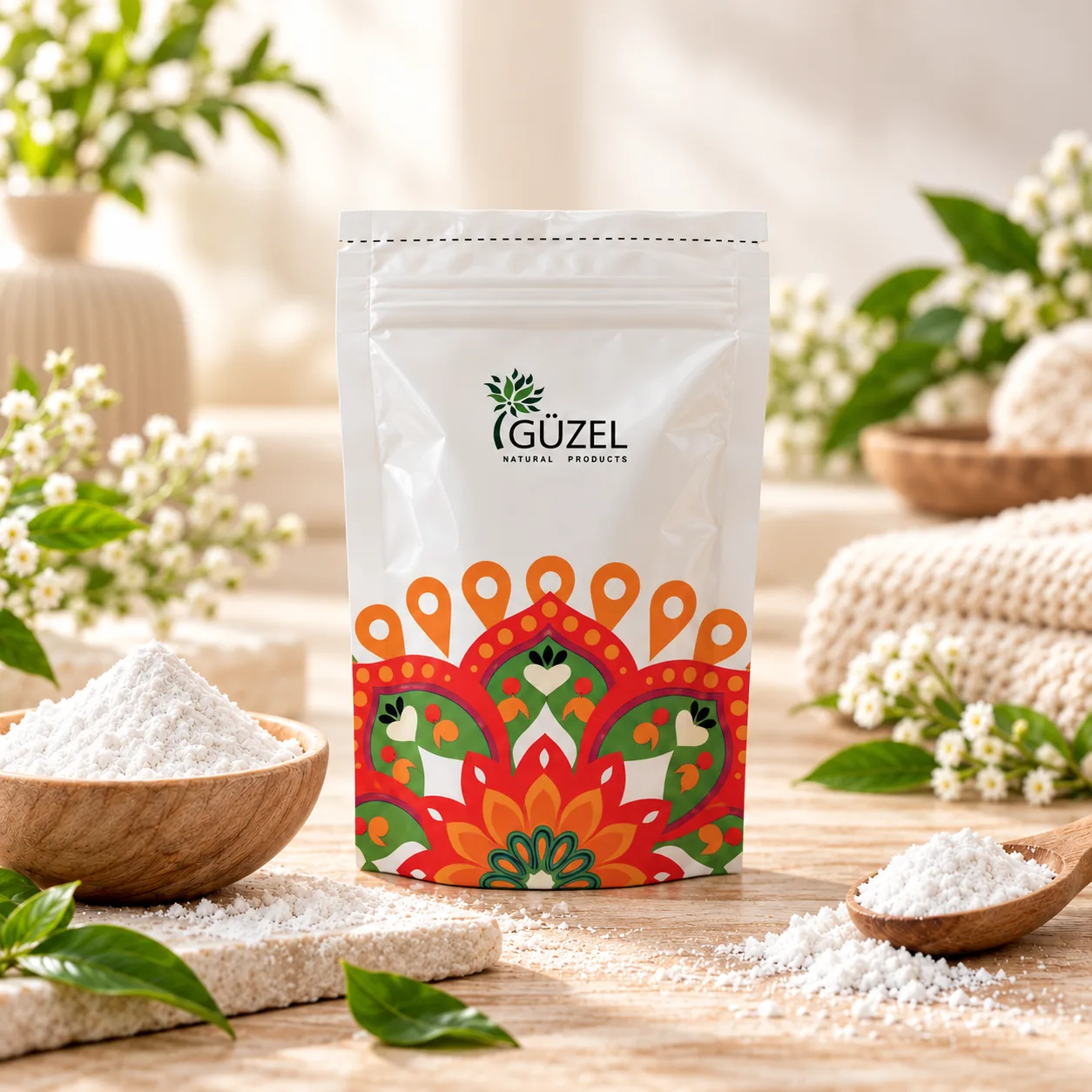
Silica Dimethyl Silylate powder 75g
KD 3.450
Details
Silica Dimethyl Silylate is a treated, hydrophobic fumed silica powder used in cosmetics to thicken oils, suspend pigments (prevent settling), control shine, and add a silky texture, forming clear gels in oil phases. It's a lightweight, absorbent powder that provides oil control, improves makeup payoff (like in lipsticks), and adds volume to dry shampoos, acting as a viscosity modifier, emulsifier, and anti-caking agent in various skincare, haircare, and makeup products.
Key Functions & Benefits
Thickening & Gelling: Creates transparent gels in oils (like mineral, castor, or plant oils) and thickens oil phases in emulsions.
Oil Control: Absorbs oil, making it great for mattifying products.
Pigment Suspension: Prevents makeup pigments from settling in liquid formulas.
Texturizing: Adds a silky, smooth feel and can provide grip in powders like dry shampoo.
Emulsifying: Helps stabilize oil-water mixtures.
Water Resistance: Can increase water resistance in balms and makeup.
How It's Used
Products: Found in lipsticks, powders, dry shampoos, skincare creams, and sunscreens.
Application: Added to the oil phase of formulations, typically at low usage rates (0.1% to 30%).
Handling: A light powder requiring a dust mask; shear mixing helps form uniform gels.
Ingredient Profile
Type: Synthetic, treated silica.
Appearance: Ultra-lightweight, fluffy white powder.
Properties: Insoluble in water, odorless, and hydrophobic (oil-loving).
Description
Silica Dimethyl Silylate is a hydrophobic (oil-loving) form of fumed silica that has been surface-treated with dimethyl silyl groups.
Compared to regular silica, it:
Is water-repellent
Has excellent oil-thickening and gelling ability
Improves texture, stability, and suspension
Reduces greasiness and tackiness
It appears as a very light, fine white powder with high surface area.
Common Uses
It is widely used in cosmetic, personal care, and pharmaceutical formulations, especially oil-based systems.
Typical applications include:
Oil and anhydrous gels
Creams and ointments
Sunscreens
Makeup (foundations, primers, lipsticks)
Anti-caking agent in powders
Suspension agent for pigments and actives
Rheology modifier (thickener)
Usage Rate (Typical)
The amount depends on the viscosity and structure you want:
0.2 – 1% → Light thickening, improved stability
1 – 3% → Medium viscosity, suspension support
3 – 7% → Strong oil gel formation (ointments, clear oil gels)
Most cosmetic formulas use 0.5 – 3%
How to Use (In Formulation)
Important: This material is dusty and very light—handle carefully.
For Oil-Based or Anhydrous Systems
Pre-disperse into oils
Slowly add Silica Dimethyl Silylate into the oil phase
Use high shear mixing (homogenizer or fast propeller)
Mix until fully wetted
The oil will gradually thicken
Add remaining ingredients
Pigments, actives, fragrances, etc.
For Emulsions (Creams/Lotions)
Add to the oil phase before emulsification
Disperse thoroughly before combining with the water phase
Key Benefits in Formulas
Thickens oils without waxes
Improves heat and storage stability
Keeps pigments and actives evenly suspended
Gives a silky, non-greasy feel
Helps prevent oil separation
Key Functions & Benefits
Thickening & Gelling: Creates transparent gels in oils (like mineral, castor, or plant oils) and thickens oil phases in emulsions.
Oil Control: Absorbs oil, making it great for mattifying products.
Pigment Suspension: Prevents makeup pigments from settling in liquid formulas.
Texturizing: Adds a silky, smooth feel and can provide grip in powders like dry shampoo.
Emulsifying: Helps stabilize oil-water mixtures.
Water Resistance: Can increase water resistance in balms and makeup.
How It's Used
Products: Found in lipsticks, powders, dry shampoos, skincare creams, and sunscreens.
Application: Added to the oil phase of formulations, typically at low usage rates (0.1% to 30%).
Handling: A light powder requiring a dust mask; shear mixing helps form uniform gels.
Ingredient Profile
Type: Synthetic, treated silica.
Appearance: Ultra-lightweight, fluffy white powder.
Properties: Insoluble in water, odorless, and hydrophobic (oil-loving).
Description
Silica Dimethyl Silylate is a hydrophobic (oil-loving) form of fumed silica that has been surface-treated with dimethyl silyl groups.
Compared to regular silica, it:
Is water-repellent
Has excellent oil-thickening and gelling ability
Improves texture, stability, and suspension
Reduces greasiness and tackiness
It appears as a very light, fine white powder with high surface area.
Common Uses
It is widely used in cosmetic, personal care, and pharmaceutical formulations, especially oil-based systems.
Typical applications include:
Oil and anhydrous gels
Creams and ointments
Sunscreens
Makeup (foundations, primers, lipsticks)
Anti-caking agent in powders
Suspension agent for pigments and actives
Rheology modifier (thickener)
Usage Rate (Typical)
The amount depends on the viscosity and structure you want:
0.2 – 1% → Light thickening, improved stability
1 – 3% → Medium viscosity, suspension support
3 – 7% → Strong oil gel formation (ointments, clear oil gels)
Most cosmetic formulas use 0.5 – 3%
How to Use (In Formulation)
Important: This material is dusty and very light—handle carefully.
For Oil-Based or Anhydrous Systems
Pre-disperse into oils
Slowly add Silica Dimethyl Silylate into the oil phase
Use high shear mixing (homogenizer or fast propeller)
Mix until fully wetted
The oil will gradually thicken
Add remaining ingredients
Pigments, actives, fragrances, etc.
For Emulsions (Creams/Lotions)
Add to the oil phase before emulsification
Disperse thoroughly before combining with the water phase
Key Benefits in Formulas
Thickens oils without waxes
Improves heat and storage stability
Keeps pigments and actives evenly suspended
Gives a silky, non-greasy feel
Helps prevent oil separation
Country of originUnited Kingdom
Reviews
No reviews yet. Be the first to share your experience.
Write a review
Please sign in to leave a review. Sign in
You might also like
✓
Item added to cart